








For seven years, Newport IW FC have played ‘home’ matches everywhere but Newport.
Now, as a new ground nears completion beside the Racecourse, one of the Isle of Wight’s oldest football clubs is preparing to come home.
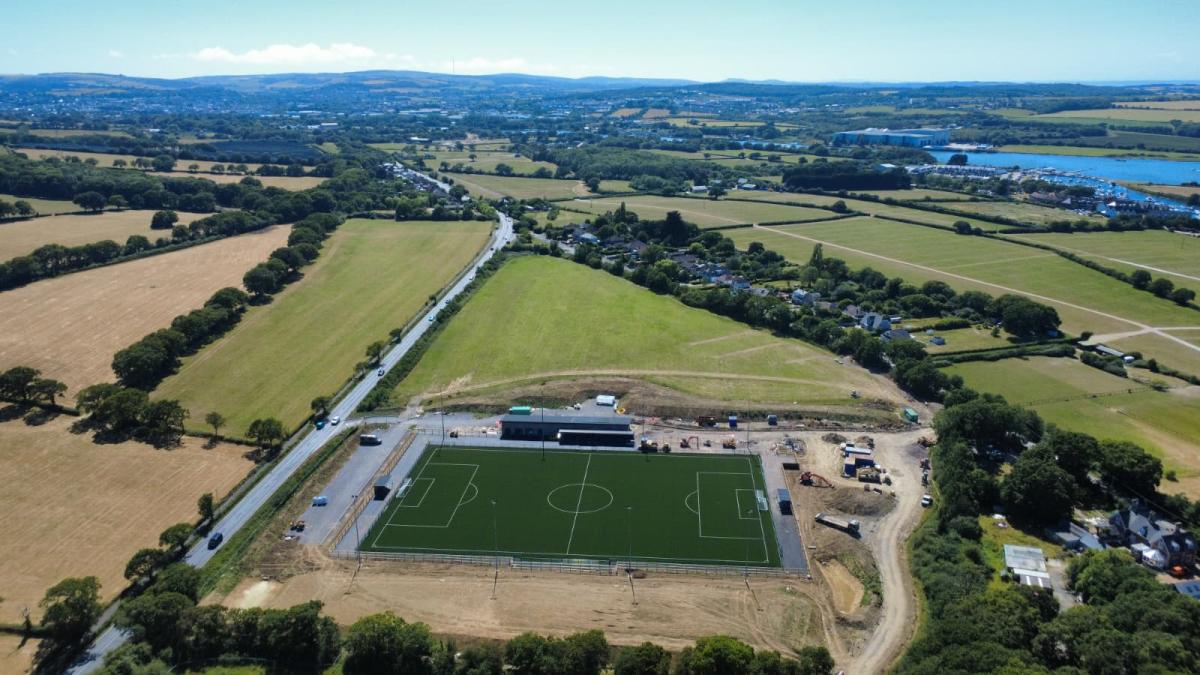
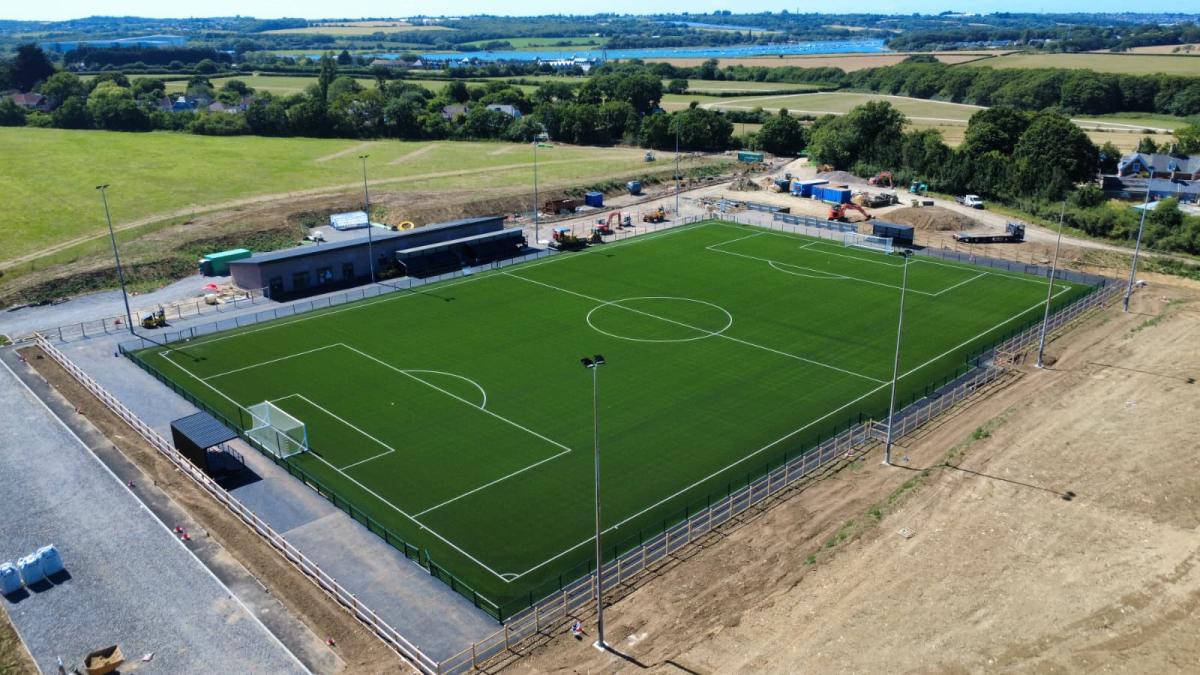
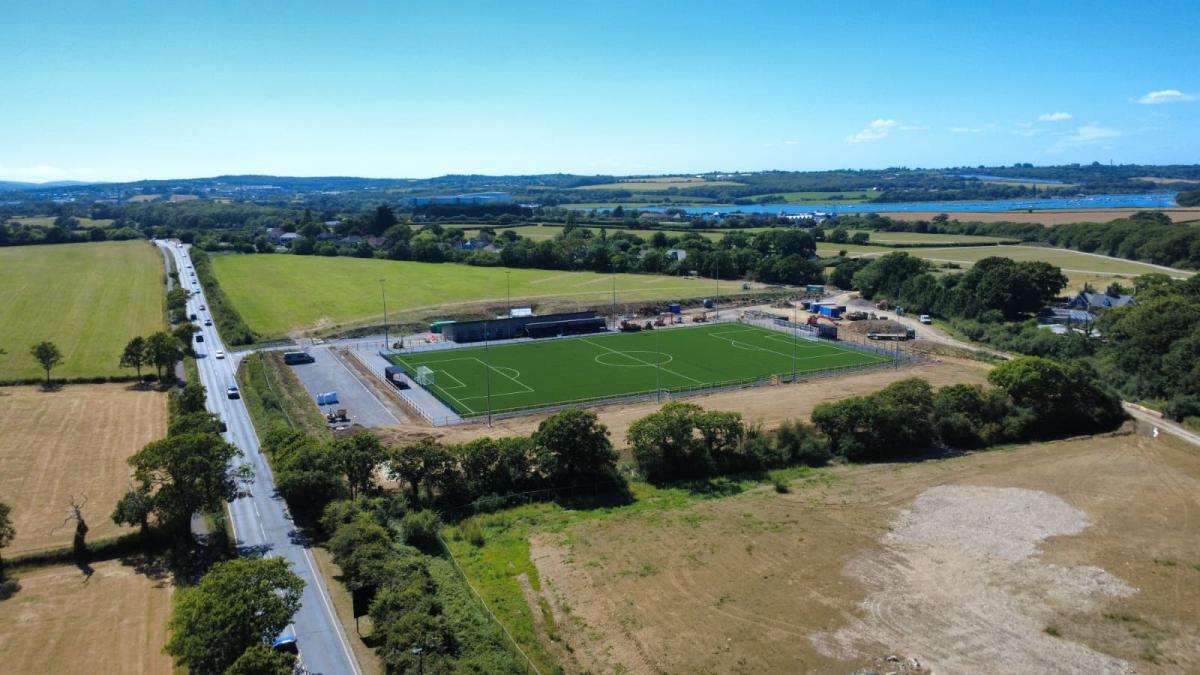
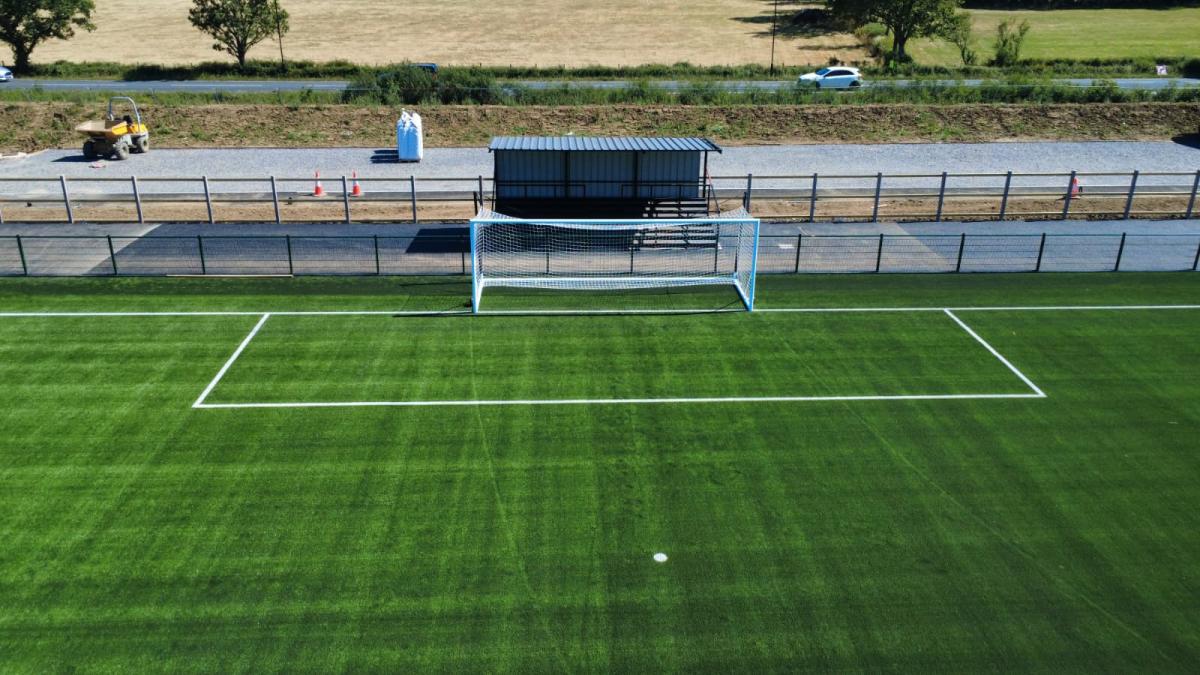
Beyond fresh fencing and banks of bare earth sits something Newport supporters wondered if they would ever see again – a home.
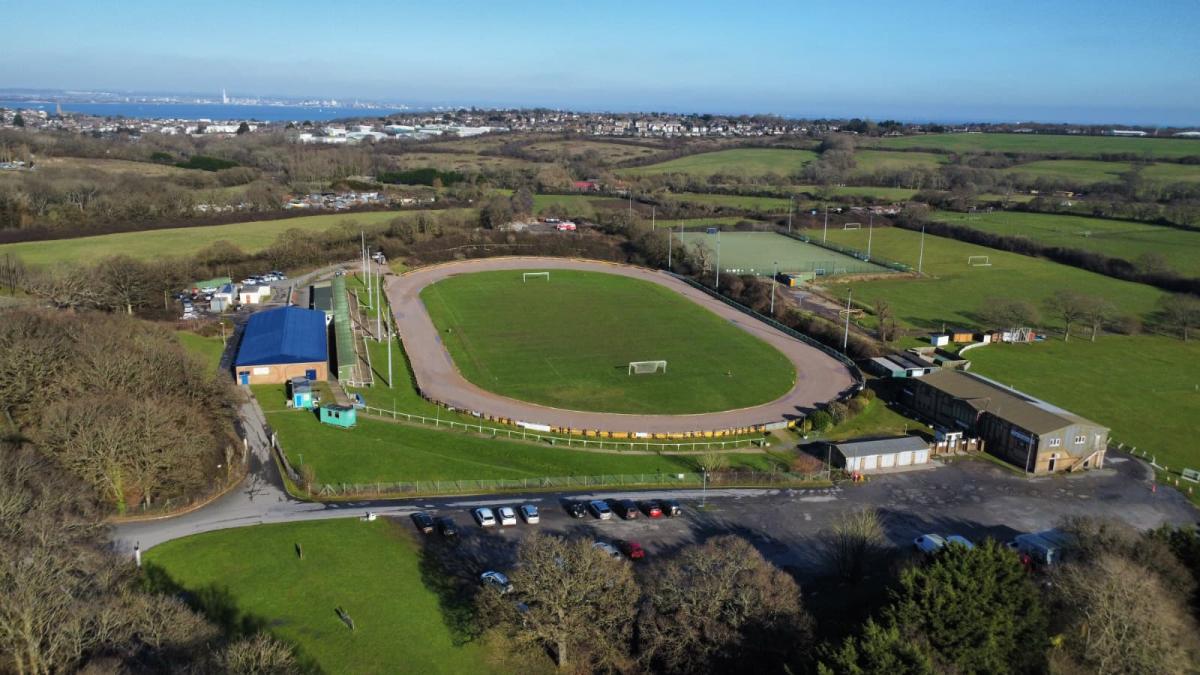
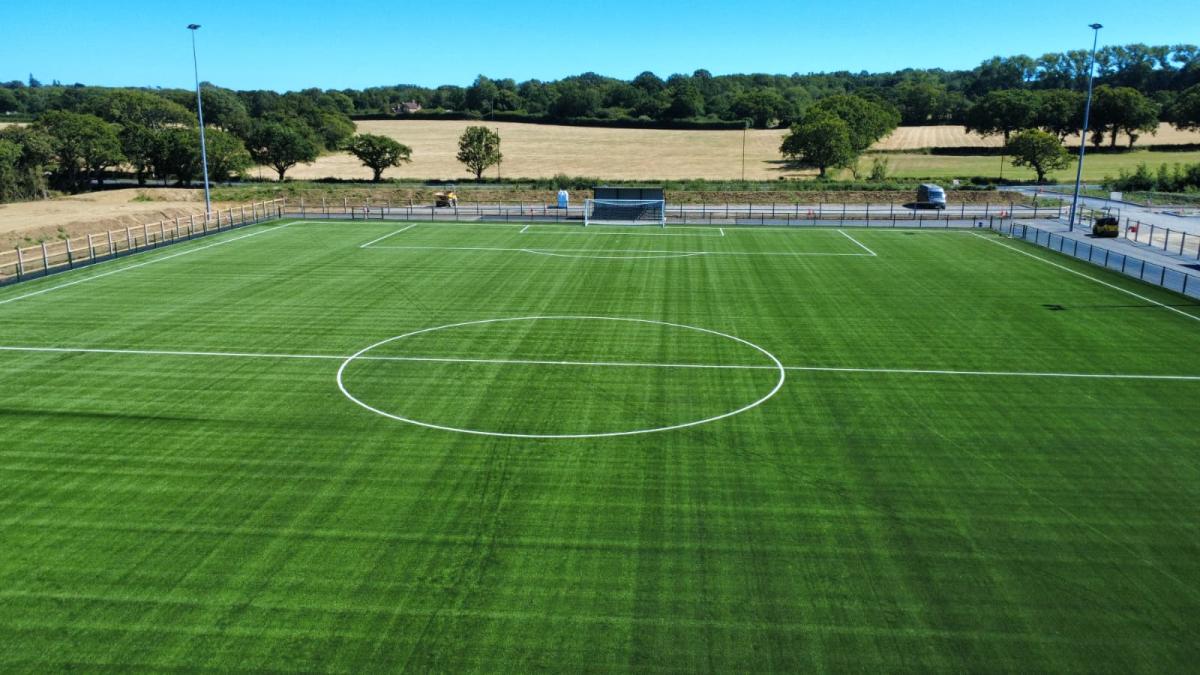
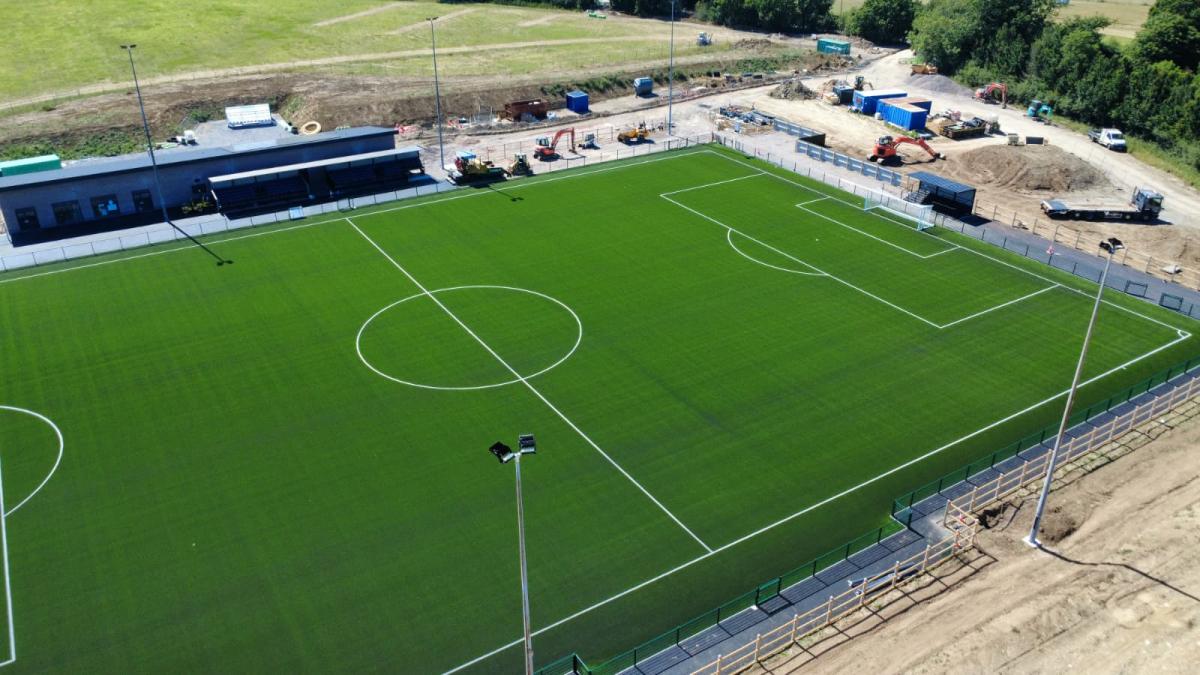
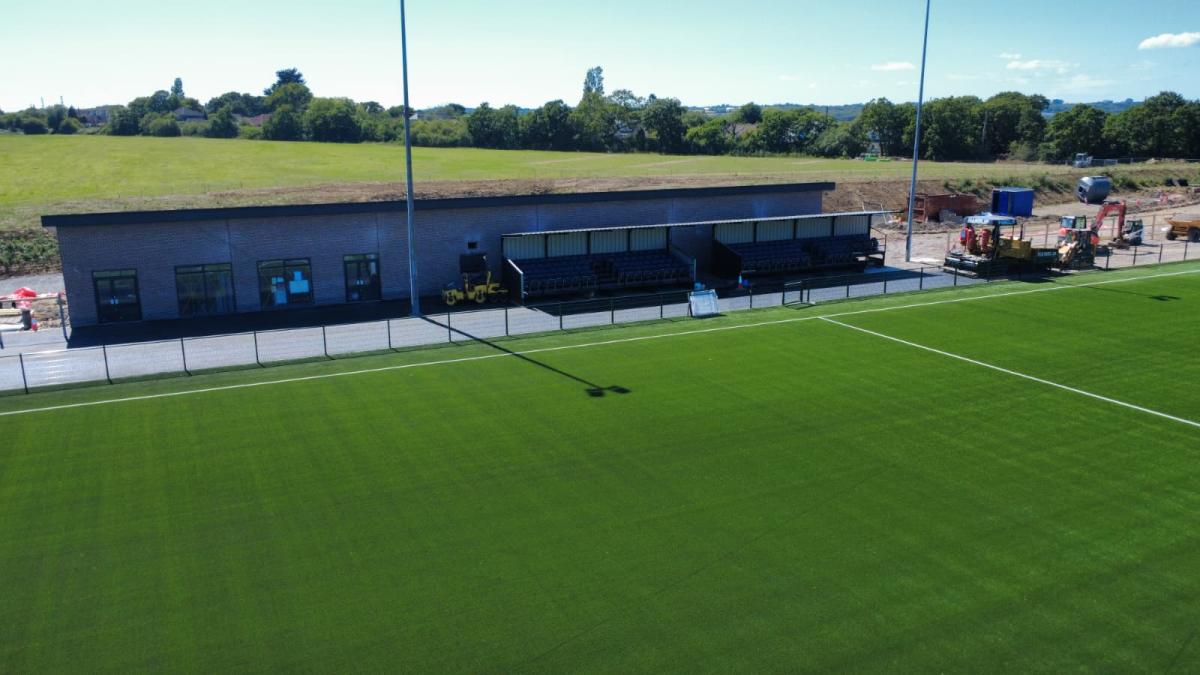
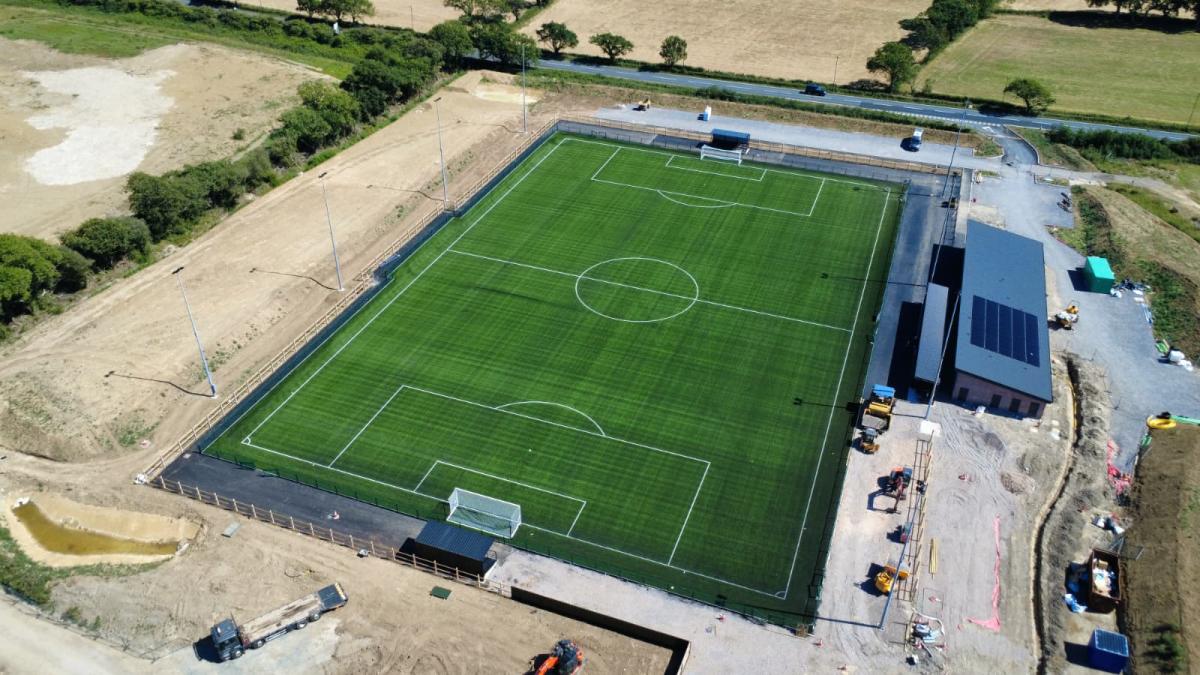
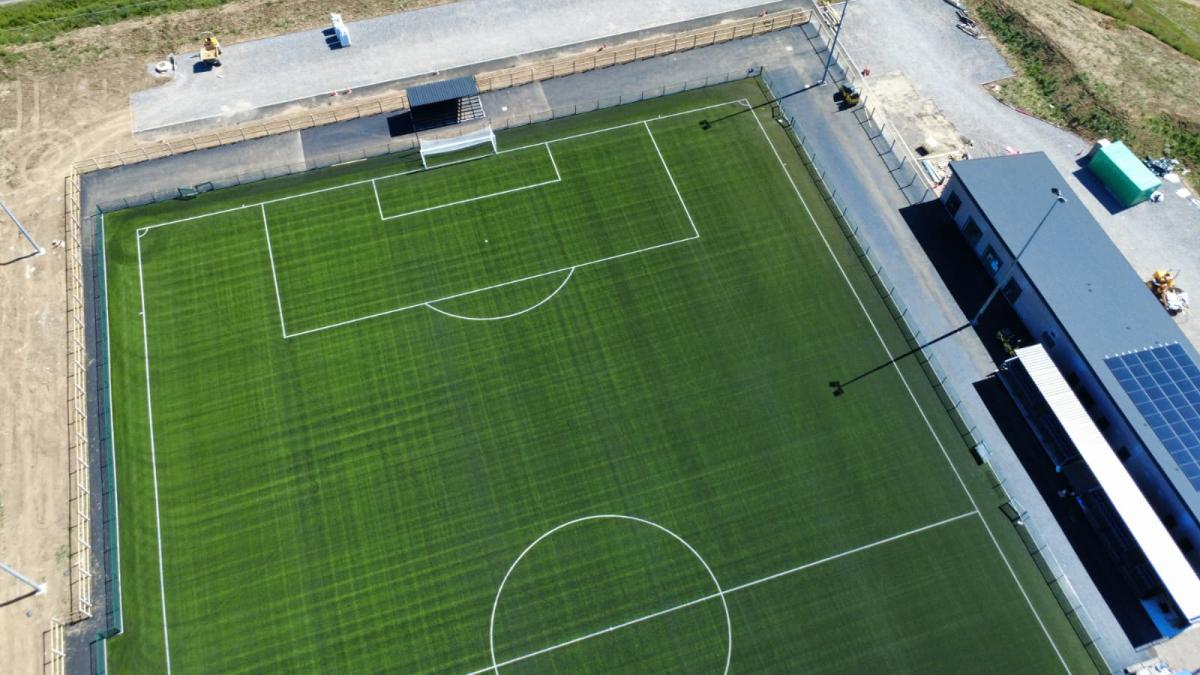
The artificial, all-weather pitch is already marked out in bright white, floodlights rise above the touchlines, a modern clubhouse runs along one side, and covered terraces wait behind each goal.

In a matter of weeks, if everything goes to plan, Newport will walk out for a competitive fixture at a ground they can once again call their own.
For a club founded in 1888, it will close one of the longest and most uncertain chapters in its history.
After speaking to the people who carried Newport through seven years without a permanent base, one thing becomes clear.
The hardest part was never the extra miles across the Island; it was trying to remain Newport Football Club without having somewhere that truly belonged to Newport Football Club.
Football has been played under the name Newport for almost 140 years, with the club’s original minute book recording its formation on January 27, 1888.
In those earliest years, players changed in a nearby pub before clearing cows from Wells Field – later known as Church Litten – ahead of kick-off.

From those modest beginnings, Newport grew into one of the Island’s most successful clubs, reaching the second round of the FA Cup in 1935/36, becoming founder members of the Wessex League and later climbing as high as the Southern League Premier Division.
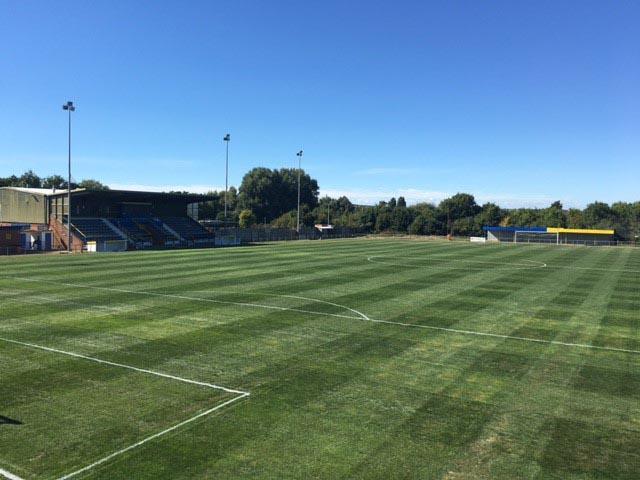
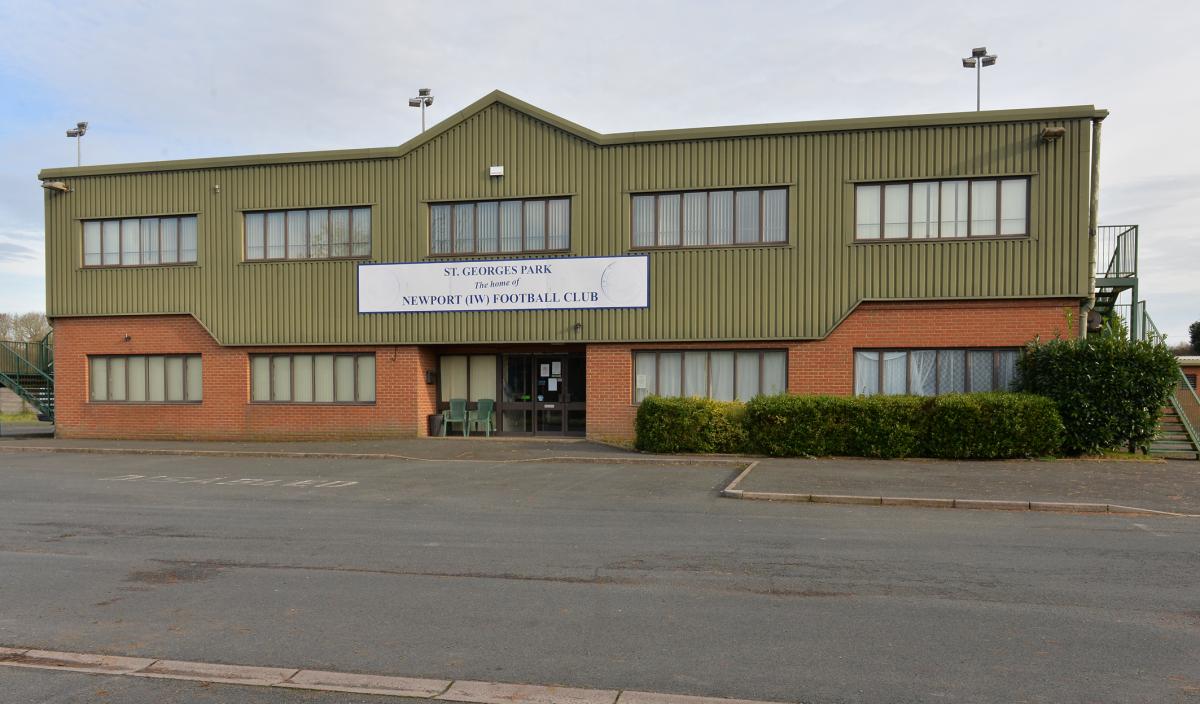
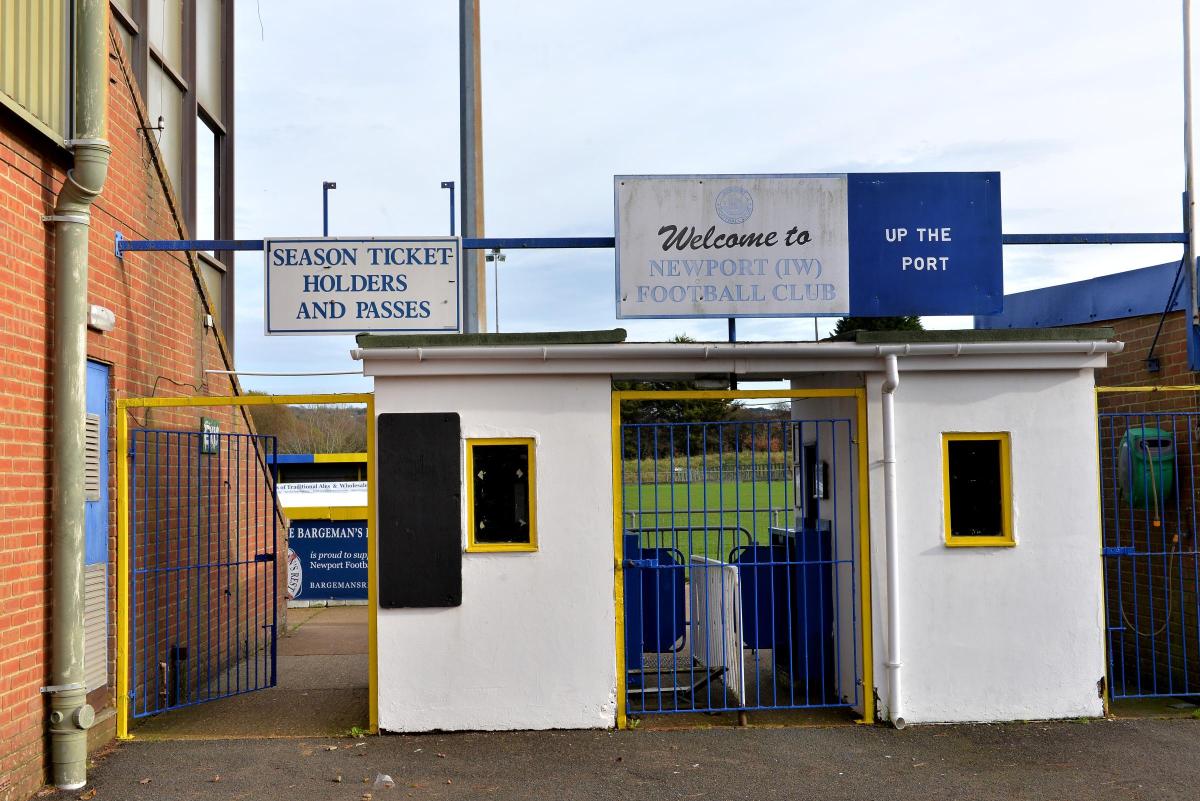
For years, their home was St George’s Park.
Within walking distance of the town centre, supporters drifted there on Saturday afternoons.
On August 1, 2007, a record crowd of 3,112 packed into the ground to watch Harry Redknapp’s Portsmouth side in a pre-season friendly.
For many, it remains a defining night in St George’s Park’s history.
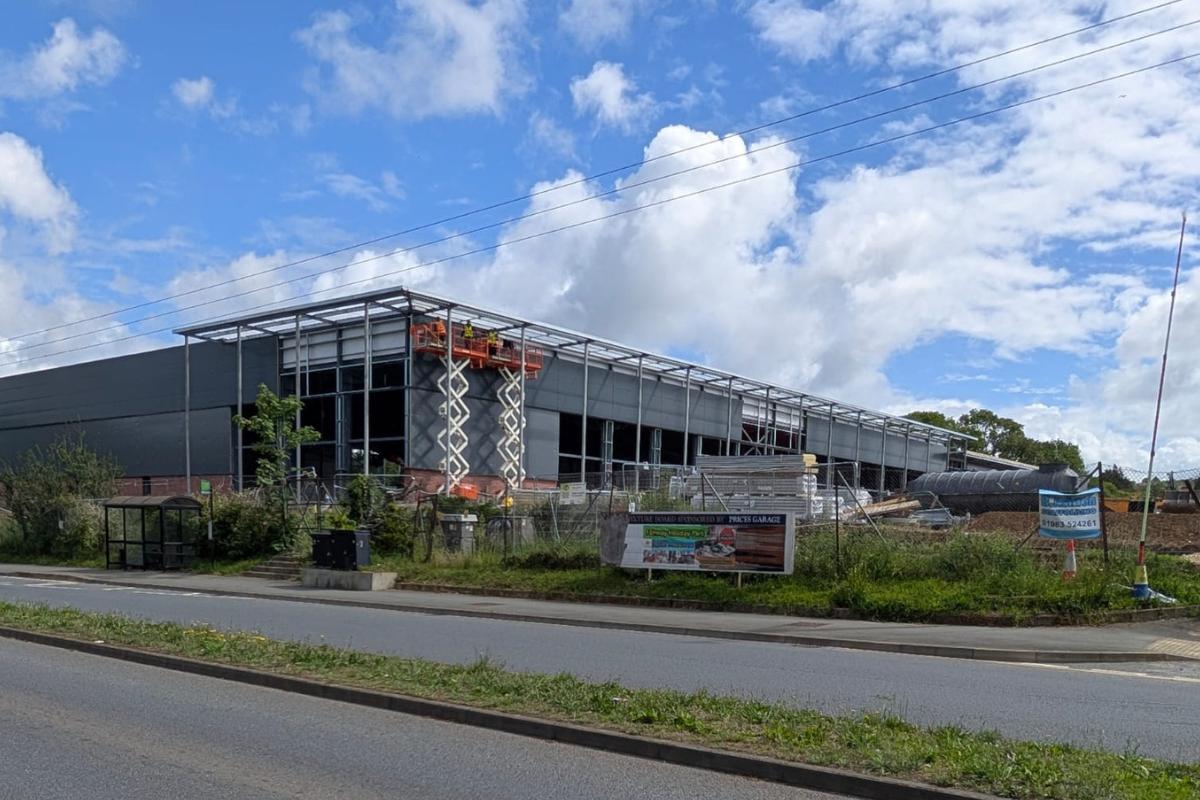
Today, the old pitch is buried beneath foundations and steelwork as a new retail park rises in its place.

But the club has already faced moments when its future looked uncertain.
During the 2003/04 season, Newport entered administration.
Many clubs never recover from that, but Newport did, not because money suddenly appeared, but because people did.
Pete Westhorpe was one of them.
A supporter who remembers watching football at Church Litten, he became involved in the Save Newport (FC) Action Group when fans stepped forward to help stop the club disappearing altogether.
He began by producing the match programmes, and when Newport could no longer afford to print them, he bought a printer himself and continued making them at home.
Over time, he became secretary, chairman, and one of the volunteers who quietly helped keep the club alive.

VIDEO ABOVE: See the former St George's Park site and the new retail park construction, captured from above by drone.
Looking back now, he believes adversity revealed what Newport really meant to people.
“Adversity brings out the best in people,” he said.
“Before administration, we’d been really successful because they’d spent too much money on mainland players... and then, all of a sudden, we’d gone bust.”
Leaving St George’s Park at the end of the 2018/19 season brought a different challenge.
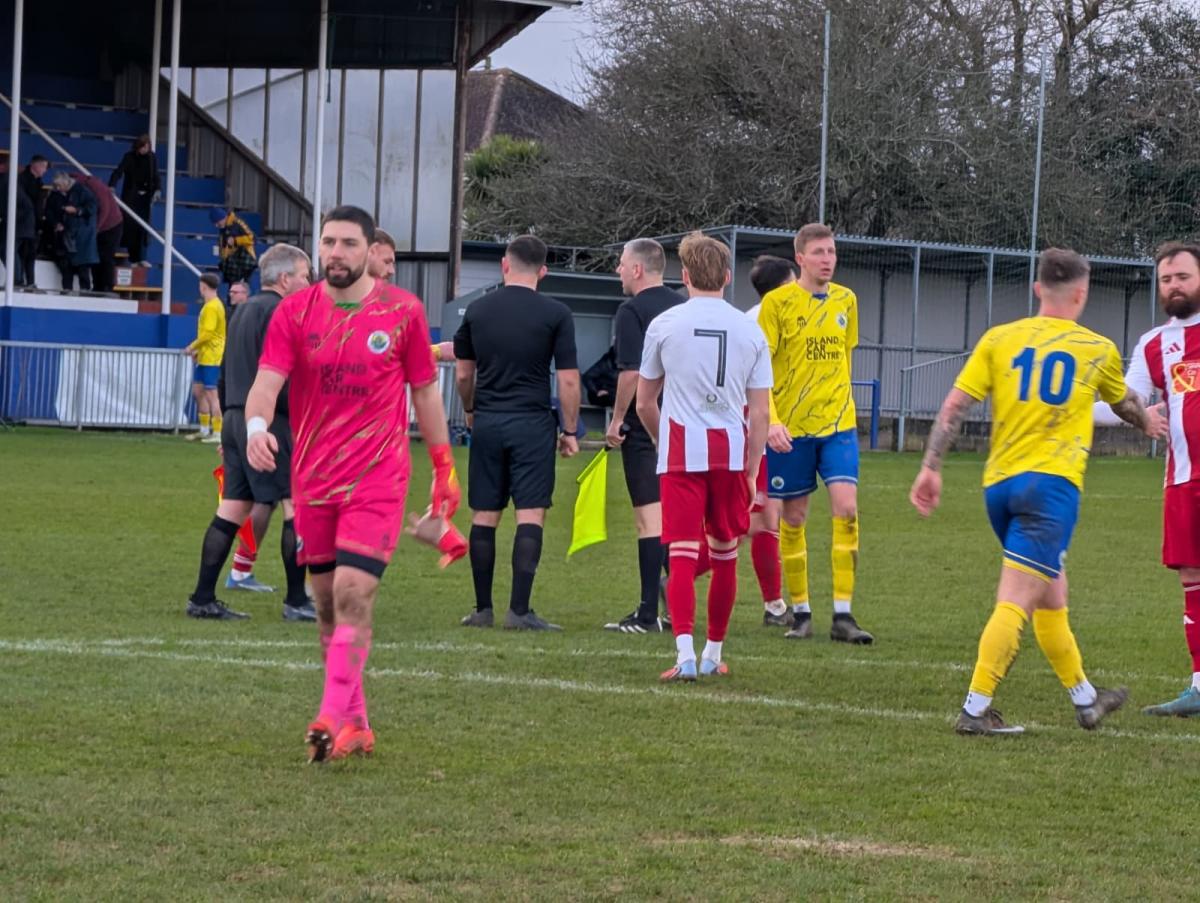
Ground-sharing agreements took Newport to Smallbrook Stadium in Ryde, Beatrice Avenue in East Cowes and Westwood Park in Cowes.
Each move kept the club alive, but none of them ever felt permanent.
Newport became the Wessex League’s longest-serving ground-sharing side – a title nobody wanted.

“The emotional attachment to leave St George’s was a difficult thing to do, because all the volunteers associated with the club were associated with St George’s Park,” Westhorpe said.
Under the planning agreement for the redevelopment of St George’s, South Coast Leisure (SCL) would provide Newport with a new Wessex League-standard ground.
The promise was there, but the wait was far longer than anyone expected.
Covid slowed progress, while economic uncertainty followed.
From the outside, it often appeared as though little was happening, but behind the scenes, Newport’s leadership remained in regular dialogue with SCL as plans edged forward.

Co-chair Steve Rackett, who has shared the role with John Davies for the past three years, never lost faith.
“I believed as long as we kept the club going, it would happen,” he said.
Keeping the club going depended on far more than planning agreements and construction schedules.
It depended on the people prepared to carry Newport through the long wait.
Jenny Holmes never planned to become one of the people keeping Newport alive.
She moved to the Island in 2015 and soon found herself spending Saturdays at St George’s Park.
Before long, she was behind the bar collecting glasses, helping wherever she was needed.
“If somebody needed something, I’d always try and help as much as I could,” she said.

The willingness gradually became something much bigger.
“There was one season when Stuart Ross was in charge; I remember going to a meeting, and we all had to make some difficult decisions,” she recalled.
“We were so short of cash that volunteers were putting money into the pot just to try to make ends meet.”
Ground-sharing solved one problem and created several others.
Without a home of their own, Newport paid to use other clubs’ facilities while losing much of the matchday income that keeps non-league football alive.
“There was a lot of admin off the pitch,” Westhorpe said.
“We paid a fee, we took the gate money, but they had the concession, and they did the refreshments – all we could sell was our club memorabilia, so our income was limited.”

Three years ago, another challenge arrived when players left, and uncertainty followed.
For a while, nobody knew whether Newport would even be able to field a competitive side.
Westhorpe remember the meeting at The Castle pub.
“It could have gone any way,” he said.
“They could have said, ‘Look, sorry, but we’re going to wind the club up because we’re not going to be able to field a side’.”
Instead, a core group of players chose to stay: Jordy Browne, Leon Pitman, Spike Pearce, Martin McDonough, Josh Younie and Joe Butcher.

Holmes remembers what those decisions meant.
“You could just see how much it meant to them,” she said.
“They didn’t want the club to go out of existence, and it was like, right, they’re doing their bit, let’s do ours.”
She still believes that moment changed everything.
“I strongly believe that’s why we’re in the position we are today,” she said.
“The way we feel about the club is what keeps us going.”
Westhorpe added: “100-plus years of history is quite heavy to carry and nobody wants that on their shoulders to say that’s where it ended.”

Player-manager Butcher insists the biggest impact of ground-sharing has rarely been felt on a Saturday.
“Playing-wise, in terms of games at other grounds, I’ve never found it to be an issue, if I’m honest,” he said.
“If anything, it affects training a lot more than matchdays.”
The first team currently train twice a week, usually at Cowes Enterprise College’s 3G pitch, but sometimes at Newport or Wootton recreation grounds.
The Racecourse ground will finally change that.
“It will make a huge difference,” Butcher said.
“It will allow us to train properly twice a week as a team, work on many different things and will give the whole club, not just the players, a home that we can continue building the club up from.”

For goalkeeper Pitman, the biggest difference will come after the football has finished.
“We’ve been away to some clubs that you can see with their own clubhouse create a great culture of wanting to stay after games together,” he said.
“I think that’s something we’ve struggled to build, not having a clubhouse that’s truly ours.”
He stressed how much supporters have made up for that loss.
“We’re very fortunate that our extremely loyal fans that have not only stuck by us but played a massive part in keeping us going as a club over recent years,” he said.
“It doesn’t matter what ground we’ve played at, they’ve always turned out in numbers, getting behind us, creating a brilliant atmosphere.
“Not only home games, but we arguably have the best away support in the league as well; their commitment to us doesn’t go unnoticed.”

Ryan Beere represents a different generation of supporter.
Unlike Westhorpe or Holmes, he has no memories of St George’s Park.
His Newport has always been one without a permanent home.
He started watching Newport around four years ago, and soon afterwards, his son Dylan was making the journey with him.
“I remember the play-off loss at Smallbrook to Petersfield, which was heart-breaking,” he said.
“The next two seasons at Beatrice Avenue were about rebuilding the team after the player exodus.
“Dylan and I started to watch the games more regularly.”
He said travelling around the Island has never been the issue.

“Last season at Westwood Park was very enjoyable, and Cowes made us feel very welcome.
“Travel to the grounds where Port have been playing has been fine, but me and Dylan are really looking forward to seeing the new ground and facilities.
“There is a strong team on and off the pitch which has been built over the last three or four years especially, and I look forward to seeing where they can take the club.”
For Newport’s youngest players, the Racecourse represents something their predecessors have gone without for years – a place to belong.
Youth manager Joe McCormack and youth treasurer Jenn Ebbs believe a permanent base will change far more than where matches are played.
“Not having a permanent base creates a number of challenges,” they said.
“It limits consistency for training and fixtures, makes long-term planning difficult, and can affect player development.
“It also reduced the sense of identity and belonging for young players, which is an important part of keeping them engaged in the game.”
The Racecourse ground offers the chance to change that.

WATCH VIDEO ABOVE: See the progress at Newport's new Racecourse ground, captured from above by drone.
For the first time in years, children wearing Newport colours will have a place they instinctively recognise as their own.
Co-chair John Davies believes that sense of belonging could become one of the ground’s biggest legacies.
“It will help them feel part of Newport, rather than representing Newport,” he said.
Before a competitive ball has even been kicked, enquiries have already started arriving from those hoping to use the facilities – football clubs, community groups, and even a Zumba class.
“The more the merrier in our eyes,” Davies said.
Newport’s leadership have never viewed the Racecourse ground simply as somewhere to host football every other Saturday.
They want to become a community hub – a place that belongs to the town as much as it belongs to the club.

Rackett believes Newport’s ownership model makes that possible.
“We are a community-owned football club,” he said.
“It’s the supporters who own the club, that run the club.”
Some may think the opening of a new ground marks the end of the story.
Davies and Rackett see it rather differently.
If anything, they believe the hard work is only beginning.
The sale of St George’s Park generated no money for the football club itself, and a new ground does not suddenly create financial security.
“Our disposable income will be zero, at best, for years to come,” Rackett admitted.
Every ticket sold, every drink poured, every community booking, for the first time in years, will all come back to Newport.

Davies summed up the years of sharing pitches and clubhouses, saying: “It’s like sharing Christmas with the in-laws, but now, we can be ourselves.”
The analogy is light-hearted, but the meaning behind it is not.
For seven years, Newport borrowed changing rooms, borrowed bars, borrowed clubhouses, borrowed routines, and soon, they will borrow nothing.
The new ground has been designed with the future in mind rather than the past.
Supporters arriving on foot will enter from East Cowes Road, while drivers will come in from Whippingham Road to the car park behind the clubhouse, before making their way through the turnstiles.
Inside, the ground meets Wessex League standards with covered spaces for around 300 supporters and a capacity of more than 1,000.
The new 3G artificial pitch allows the club to combat wet winters, which have plagued Newport with cancelled matches in recent seasons, and will be offered to other Island clubs to help keep their games on during difficult conditions.

The first team will finally train on the pitch they play on, youngsters will see a pathway to the senior side, supporters will have somewhere to gather before and after matches, and every part of club life will happen under one roof.
Davies said there has been criticism on social media about the size of the ground compared to St George’s.
He pointed out that the old ground was built to a Southern League standard, while the Racecourse ground has been designed to meet the club’s current needs, with room for future expansion if required.
However, the years of dedication and commitment from supporters have not been forgotten.
“The supporters have followed us when we had no home,” Davies said.
“This new ground is a reward for them.”

He reserved equal praise for the volunteers who have carried the club through the uncertainty.
"They are volunteers who have real jobs, but they are willing to put the hours in unpaid, and they believe in us.
"It's a privilege to be in the situation we're in."
Rackett has watched the same commitment unfold every week.
“It’s been an honour to chair the community side of the club,” he said.
“We’ve seen, week in, week out, the volunteers on matchdays and their commitment, even on a wet Tuesday in February.”

There is another reason the Racecourse means so much – time.
Seven years is a long wait in football.
Long enough for players to come and go, for memories to fade, for some people never to see the journey completed.
Holmes still thinks about them: long-term volunteer Arthur Downer, Newport superfans Glen Stoddart and Dave Bingham, and one of the club's longest-serving stalwarts Phil Cotton.
They all waited for Newport to come home, but none of them lived to see it.
“We’ll remember them when we get to the new ground,” Holmes said.
“It’s nice to remember them and imagine how much they would have loved to see it as well.
“It’s a shame they didn’t get to see it, but we’ll do them proud.”
For more than seven years, Newport IW FC have existed in borrowed space.
Soon, one of the Island’s oldest football clubs will finally have somewhere to call home again, and for the people who carried it through the years of uncertainty, that moment will mean far more than the final whistle.
It will feel like coming home.


Share