



One of the things I love about living on the Isle of Wight is what you see on the roads and in the water.
Driving round the Island you can easily encounter a steam engine, a state-of-the-art Tesla or a Triumph Herald.
Head to the shops and park next to a Ford Zodiac or a 1932 Bentley.
The other day a couple of Gyrocopters were being driven along the road.
What great hobbies people have.

Similarly, out on the water you may come across a gaff-rigged lugger, a motor torpedo boat or Sir Ben Ainslie in the latest prototype of an America’s Cup foiling boat.
There are some lovingly restored gentlemen’s yachts about, and some really beautiful sailing boats kept here.
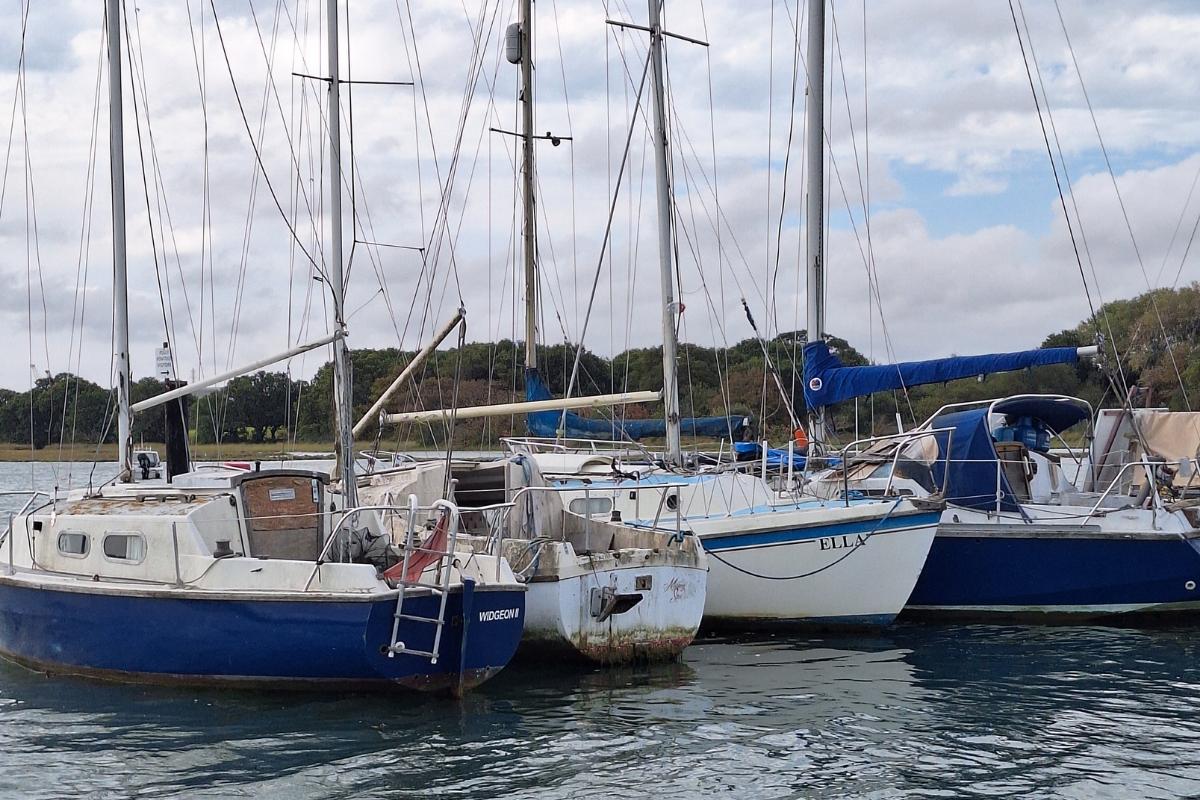
Amazingly enough, though, many of the boats in some marinas never go anywhere.
They are kept, as far as I can see, on the water for weekend drinks and sleepovers by their owners.
Unlike cars, boats do not have to have an annual MOT, and unlike cars, disposal of old abandoned boats is becoming a problem in many parts of the country, and here on the Island.
Whereas an old car is simply taken to a scrapyard, stripped of different metals, and then crushed to be made into a new one, an old boat, whether wooden or plastic, has to be lifted out of the water, drained of oil, diesel, and other toxic fluids, and broken up.
According to the RYA, peak boat ownership was in the 1970s, some 50 years ago, and before the Oil Crisis of 1979 pleasure boats were built with a generous thickness of glass-reinforced plastic, which made them strong and long-lasting.
Not so, their owners, who grow older, less able to use the boat, and the boat then goes without maintenance, leading to the disintegrating hulls we see in the River Medina, Gurnard Creek and Bembridge Harbour.
As part of the preparations for this year’s bicentenary of Cowes Week, additional moorings were sought out in Cowes this year.
It was suggested that we might free up some space by moving on some of the less well used vessels that are parked on pontoons on the river, but as every boat is paying their mooring fee, little could be done.
I understand that the Harbour Commission are now going to ask owners to take better care of the older boats or move them on, as mooring space is at a premium.
Technically the owner of the boat is responsible for the disposal of it, but as so often happens when the harbour or port try to contact them, nothing happens.
This has become a real problem in Langstone Harbour and in parts of the West Country.
If you own one of these old boats, and cannot look after it any more, please help others make space for the next generation of boat owners.
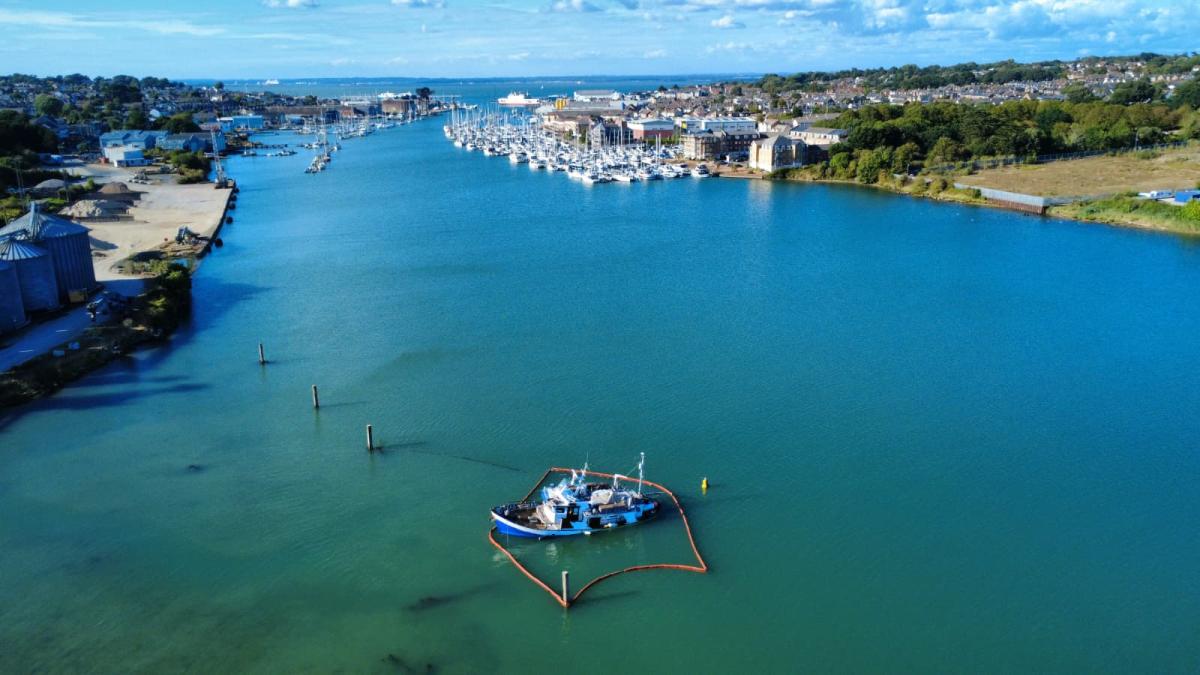
I am pleased to learn, by the way, that MV Salutay, the diving boat that sank in the Medina recently, is shortly to be refloated.
We care about our coastline.
In 2025 about 630,000 people took part in the international coastal cleanup, collecting over 1.3 million plastic bottles in one day along 15,000 miles of coast.
Picking up and disposing of plastic boats, however, takes a bit more effort.


Share